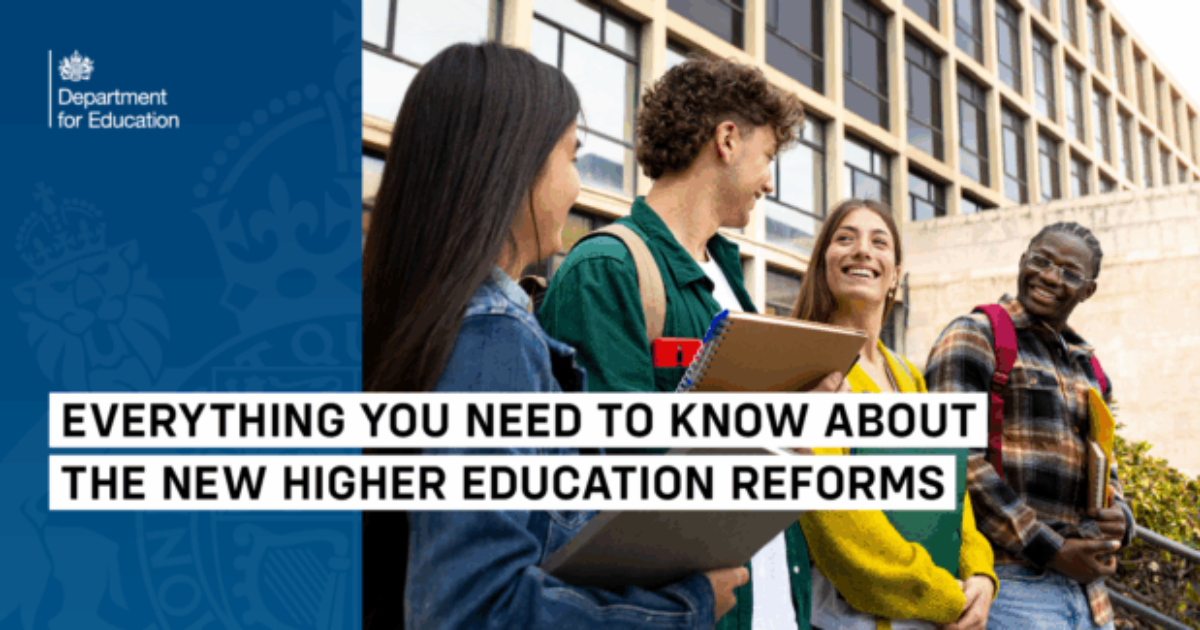
The education landscape in the UK is evolving rapidly, as government reforms aim to match skills, curricula and pathways with changing labour markets and student needs. For anyone following UK education—whether students, parents, or international observers—here’s a snapshot of key policy changes and what they could mean.
Major Reforms at a Glance
1. Post-16 & Skills Reform
In September 2025 the government announced a landmark package of reforms covering further and higher education. Among the headline changes: a new target that two-thirds of young people by age 25 will participate in “higher-level learning” (academic, technical or apprenticeships)—up from about half today. It also introduced new “Technical Excellence Colleges” in key sectors like clean energy and digital, and plans for a single funding model for Level 4-6 courses, bringing further education (FE) and higher education (HE) closer together.
What this means: Students now have clearer alternatives beyond traditional university routes; technical/vocational pathways are being elevated. For policy watchers and bloggers this means discussing how “vocational” is no longer second-class, but central.
2. University Fees, Quality & Finance
One of the biggest changes: universities in England will be allowed to raise tuition fees in line with inflation—but only if they meet new, tougher quality standards (for teaching, student outcomes, governance). The regulator Office for Students (OfS) will gain stronger powers to intervene in under-performing institutions. What this means: For students and parents, it raises the stakes on choosing an institution with good outcomes; for universities, the pressure increases to deliver value. For international students especially, it signals that not all institutions will be equal in the coming years.
3. Curriculum, Inspections & Inclusion
Schools are seeing reforms too. For example, the “mainstream” curriculum is being refreshed to better include digital literacy, climate education and broader skills, not just traditional academic content. The inspection framework for schools (via Ofsted) is evolving towards more frequent but lighter touch reviews, greater focus on inclusion (SEND, well-being) and less reliance purely on exam results. What this means: The shift suggests a move towards more holistic schooling—students will be assessed not just on test scores but on broader readiness. If your blog covers K-12 or mid-career learners, this is a strong angle.
4. Special-Education Needs & Disabilities (SEND)
Significant policy attention is also going to the SEND sector. The government has committed increased funding and is digitising the assessment process (Education, Health & Care Plans or EHCPs). What this means: For families of children with special needs, there’s hope of better access and faster support—but the reforms are still patchy, so there are gaps. A blog post could explore “what SEND reforms mean for parents/children”.
Implications for Students, Parents & International Observers
-
Choosing a pathway: With the emphasis shifting from “only university” to “university or high-level technical/apprenticeship”, students have more options but must be more strategic.
-
Value for money: Because universities must meet higher standards to raise fees, students should check metrics like graduate outcomes, teaching quality and support services.
-
Global students: For international students, the quality filter and regulatory changes mean it’s even more important to verify institution credentials and what their post-study opportunities are.
-
Blog opportunities: For bloggers targeting South Asia or Pakistan: you can compare how UK reforms might affect international student flows, how Pakistani students can choose based on the changing market, or how home countries might learn from UK vocational emphasis.
-
Equity & inclusion: The reforms suggest a broader move to address inequality (via free meals, SEND support, lifelong learning). A post can dig into “what this means for disadvantaged students”.
Final Thoughts
The nature of UK education is shifting: more focus on skills, vocational and technical routes, outcomes, and accountability. These aren’t just incremental tweaks, but rather deeper changes to how learners progress through education, what kinds of routes they take, and how institutions are held accountable for results.
For blog writers, there are multiple angles: how students choose courses, how parents evaluate institutions, how UK–Pakistan student flows may change, and how emerging markets can borrow ideas. Watching how these reforms play out in practice—especially in FE/HE partnerships and international recruitment—offers rich content.