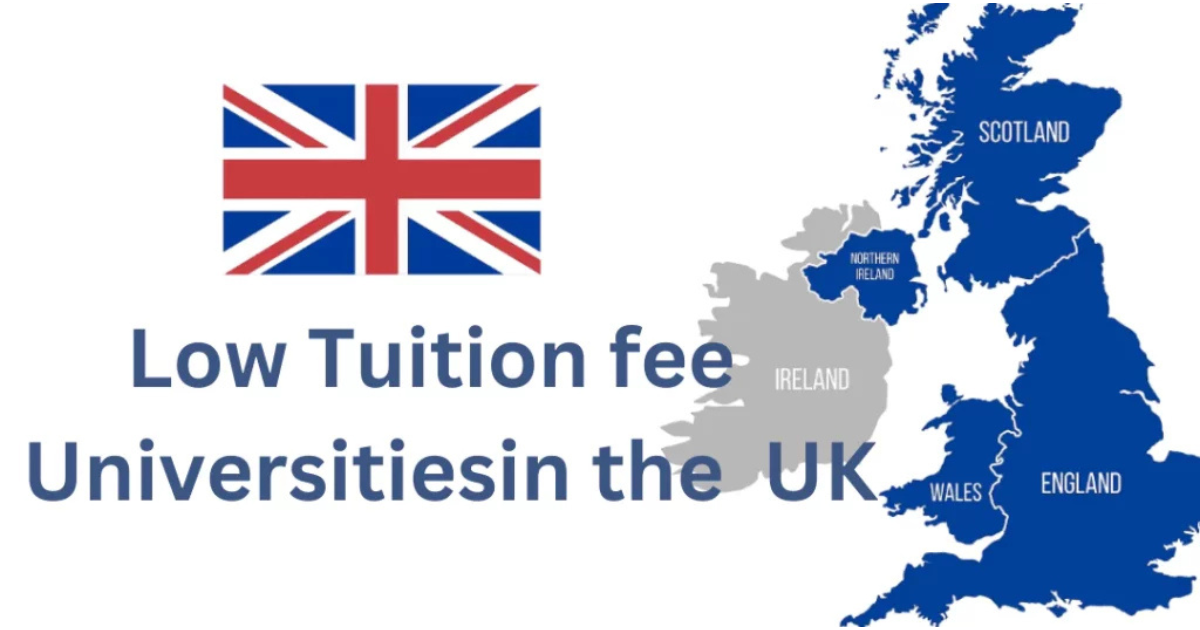
When it comes to university education in the UK, tuition fees can vary significantly depending on where you study — and where you’re from. The UK’s four nations — England, Wales, Scotland, and Northern Ireland — each have their own systems for setting tuition fees and providing student support. Understanding these differences is crucial for both UK and international students planning to study in the region.
In this guide, we’ll break down how tuition fees are set across the UK, what students typically pay, and what financial support is available.
1. England: The Most Expensive for Home Students
In England, tuition fees for home (UK) students are set by the government, and universities can charge up to a maximum cap.
-
Undergraduate Fees: As of 2025, universities in England can charge up to £9,250 per year for full-time undergraduate courses.
-
Part-Time Fees: Usually calculated per credit, but capped proportionally to the full-time limit.
-
Postgraduate Fees: These are not regulated and vary by university and course — typically ranging from £7,000 to £20,000 per year.
Universities in England have the flexibility to set their own tuition rates within the cap, often based on course popularity, teaching costs, and institutional reputation.
Student Finance England provides tuition fee loans, maintenance loans, and grants for eligible students, ensuring fees are paid directly to universities. Repayment begins only after graduation, once income exceeds a set threshold.
For international students, tuition fees are higher — generally ranging from £12,000 to £30,000 per year, depending on the subject and institution.
2. Wales: Slightly Lower Costs and Extra Support
In Wales, universities can also charge up to £9,250 per year for undergraduate degrees, matching England’s cap. However, Welsh students enjoy additional financial support through Student Finance Wales.
-
Tuition Fees for Welsh Students Studying in Wales: Up to £9,250 per year, with full loans available.
-
Welsh Students Studying in the UK: Can apply for a Welsh Government Learning Grant to help with living costs, in addition to loans.
-
Postgraduate Fees: Vary by institution but are often lower than those in England.
A key difference is that the Welsh Government offers non-repayable grants to many students, making higher education more affordable overall.
International students, however, pay similar rates to those in England — typically £13,000 to £25,000 per year.
3. Scotland: Free Tuition for Scottish Students
Scotland operates a unique system that makes higher education significantly more affordable for Scottish residents.
-
Scottish-Domiciled Students: Do not pay tuition fees for their first undergraduate degree at public universities in Scotland. The Student Awards Agency Scotland (SAAS) covers the cost.
-
Students from Other UK Nations: Must pay tuition fees of up to £9,250 per year, similar to England and Wales.
-
EU Students: Since Brexit, most EU students are now considered international and must pay international fees.
For international students, tuition fees are higher, typically ranging from £16,000 to £32,000 per year, depending on the course and university.
Scotland’s system reflects a long-standing commitment to accessible higher education for its residents, though funding is limited to those meeting residency and citizenship requirements.
4. Northern Ireland: Lower Fees for Local Students
In Northern Ireland, tuition fees are lower than in the rest of the UK for local students.
-
Northern Irish-Domiciled Students: Pay up to £4,710 per year for undergraduate courses at local universities (like Queen’s University Belfast or Ulster University).
-
Students from Other UK Nations: Pay higher fees — up to £9,250 per year, similar to England.
-
Postgraduate Fees: Vary, but are generally lower than those in England or Scotland.
Student Finance Northern Ireland provides tuition and maintenance loans, as well as grants for students from low-income backgrounds.
International students pay between £14,000 and £25,000 per year, depending on the subject.
5. Key Differences at a Glance
| Nation | Home Student Fees (Per Year) | Financial Support | International Student Fees |
|---|---|---|---|
| England | Up to £9,250 | Loans via Student Finance England | £12,000 – £30,000 |
| Wales | Up to £9,250 | Loans + Welsh Government Learning Grant | £13,000 – £25,000 |
| Scotland | Free (Scottish students) | Covered by SAAS | £16,000 – £32,000 |
| Northern Ireland | Up to £4,710 (local) | Loans & grants via Student Finance NI | £14,000 – £25,000 |
6. How Tuition Fees Are Set
Tuition fees in the UK are influenced by several factors:
-
Government Policy: Each devolved government (England, Scotland, Wales, Northern Ireland) sets fee limits and funding rules.
-
University Autonomy: Within the cap, universities can decide their fees based on operational costs, demand, and competitiveness.
-
Inflation & Market Adjustments: Fee caps are reviewed periodically to account for inflation and changes in funding.
-
Course Type: STEM, medicine, and lab-based degrees often cost more due to resource intensity.
7. Financial Aid and Scholarships
In addition to government-backed loans and grants, many universities offer:
-
Merit-Based Scholarships
-
Need-Based Bursaries
-
International Student Awards
-
Subject-Specific Grants (especially in STEM, education, and healthcare)
International students are encouraged to explore Chevening Scholarships, Commonwealth Scholarships, and university-specific funding options.
Conclusion
Tuition fees across the UK vary widely, reflecting different regional education policies. Scotland offers the best deal for home students, Northern Ireland remains affordable, while England and Wales charge higher fees but provide substantial loan support.
For international students, the UK remains one of the most prestigious — but also one of the pricier — destinations for higher education. However, the investment often pays off, with UK degrees being recognized globally for their quality and employability value.