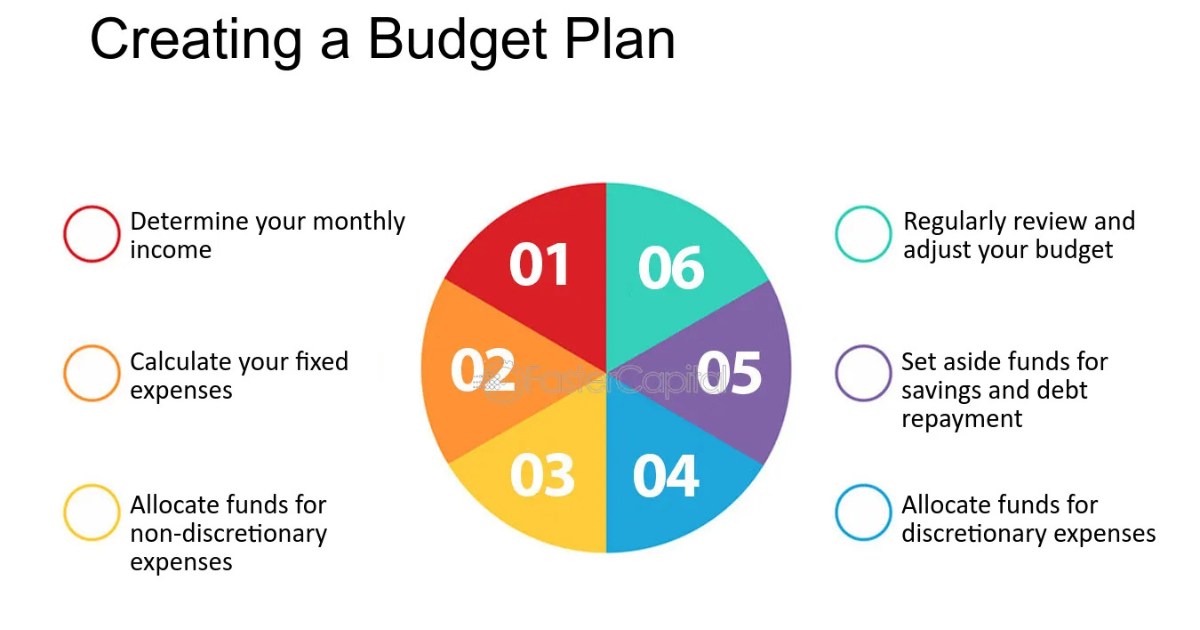
Creating a monthly budget is one of the most effective ways to take charge of your personal finances. Whether you want to save for a big purchase, pay off debt, or simply stop living paycheck to paycheck, a budget helps you understand where your money goes and how to make it work for you. Here’s a simple, step-by-step guide to help you build a realistic monthly budget.
1. Identify Your Monthly Income
Start by listing all the money you expect to receive during the month. This includes your salary after taxes, freelance earnings, rental income, or any side hustles. Always use your net income (the amount you actually take home) rather than your gross salary — this gives you a clear picture of what you can spend.
2. List All Your Expenses
Next, make a list of your monthly expenses. Divide them into two categories:
-
Fixed expenses: Rent or mortgage, utilities, insurance, loan payments, and subscriptions.
-
Variable expenses: Groceries, transport, entertainment, and personal spending.
You can review bank statements or past bills to make sure you don’t miss anything.
3. Prioritize Essentials
Before allocating money to leisure or luxury items, cover the essentials — housing, food, transportation, and utilities. Aim to dedicate around 50% of your income to these needs, following the 50/30/20 budgeting rule:
-
50% for needs
-
30% for wants
-
20% for savings or debt repayment
4. Set Savings and Debt Goals
Decide how much you want to save each month. Whether you’re building an emergency fund, saving for retirement, or paying off a credit card, include this as a fixed “expense” in your budget. Automating transfers to a savings account can help you stay consistent.
5. Track Your Spending
Use budgeting apps like Mint, YNAB (You Need A Budget), or Monzo to monitor your daily spending. Tracking helps identify habits that may need adjustment — such as overspending on dining out or subscriptions you no longer use.
6. Adjust and Review Regularly
Your budget isn’t set in stone. Review it every month and make adjustments as your income or expenses change. Seasonal expenses, like holidays or school fees, can be planned for in advance.
7. Stay Accountable
Finally, hold yourself accountable by setting reminders, reviewing your goals, and celebrating milestones — like hitting your savings target or clearing a debt. Small wins keep motivation high.
Final Thoughts
Planning a monthly budget takes a bit of effort initially, but it pays off quickly. With discipline and regular tracking, you’ll not only reduce financial stress but also gain confidence in your ability to manage money wisely.