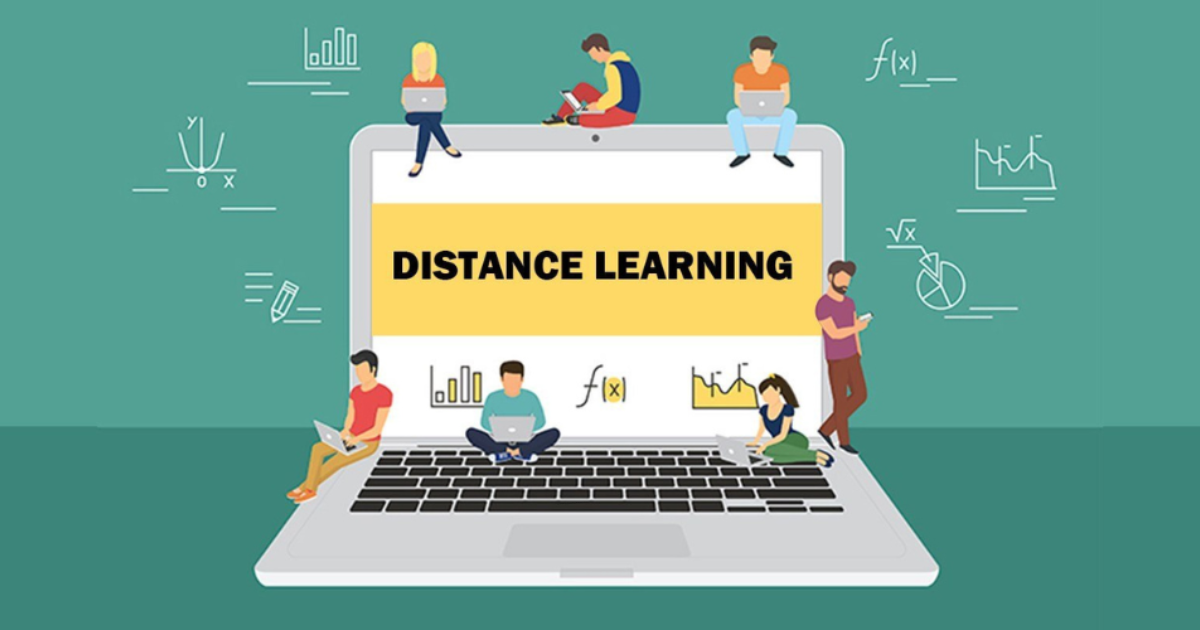
In today’s fast-paced and digital world, distance learning has become one of the most popular ways to earn a degree. With flexible study schedules, online lectures, and accessible resources, students can now study from anywhere in the world — without stepping foot on a physical campus. The UK, home to some of the world’s most reputable universities, has embraced this learning model, offering a range of online degrees that rival traditional education in quality.
But is distance learning right for everyone? In this article, we’ll explore the top distance learning universities in the UK and discuss the advantages and disadvantages of studying online.
Top Distance Learning Universities in the UK
Several UK universities have built strong reputations for their online learning programs. These include:
-
The Open University – The pioneer of distance learning in the UK, offering hundreds of undergraduate and postgraduate degrees across diverse fields.
-
University of London – Known for its flexible, globally recognized online programs in law, business, and computer science.
-
University of Leicester – Offers a wide range of distance learning courses with strong academic support.
-
University of Essex Online – Provides business, health, and law programs with rolling admissions throughout the year.
-
University of Edinburgh Online – Known for its high-quality postgraduate programs in data science, public health, and education.
These institutions make UK higher education more accessible to students who may be working, caring for families, or living abroad.
Pros of Distance Learning in the UK
1. Flexibility and Convenience
The most obvious advantage of distance learning is flexibility. You can study at your own pace, fitting lectures and coursework around your work, family, or personal commitments. Many UK universities allow students to choose part-time options or asynchronous learning, which means you can access recorded lectures anytime.
2. Accessibility for International Students
Distance learning opens UK education to students around the world without the need for a student visa or relocation. This is particularly beneficial for learners from countries where travel or accommodation costs are high.
3. Cost-Effective Education
Studying remotely can be significantly cheaper than on-campus learning. You’ll save money on accommodation, transportation, and living expenses. Tuition fees for online programs are often lower, and students can continue working while studying — making education more financially sustainable.
4. Career Advancement
Distance learning is ideal for professionals seeking to upskill or change careers. Many students choose online programs while maintaining full-time jobs, allowing them to immediately apply new knowledge and skills in their current roles. Employers increasingly value self-motivated learners who demonstrate discipline through distance study.
5. Global Networking Opportunities
UK universities attract students from all over the world, and distance learning is no exception. Online forums, discussion groups, and collaborative projects provide international exposure and the chance to connect with peers and professionals globally.
6. Access to Digital Learning Tools
Modern online courses use interactive learning platforms, video lectures, and digital libraries to provide a rich educational experience. Many UK universities use advanced systems such as Moodle, Blackboard, or Canvas, making studying engaging and well-supported.
Cons of Distance Learning in the UK
1. Limited Face-to-Face Interaction
One of the biggest downsides is the lack of in-person connection with lecturers and peers. While video calls and online forums help, they can’t fully replace the social and academic benefits of on-campus life. Students who thrive on collaboration or classroom engagement may find distance learning isolating.
2. Self-Discipline Required
Distance learning demands strong time management and motivation. Without structured class times or physical attendance, it’s easy to procrastinate. Students need to be organized, proactive, and consistent to stay on track with coursework and deadlines.
3. Limited Practical Experience
Some degrees — especially in fields like medicine, engineering, or lab sciences — rely heavily on hands-on training. While many UK universities offer hybrid programs with in-person components, pure online degrees can limit access to practical experience.
4. Technology Dependence
A reliable internet connection and up-to-date technology are essential. Technical issues or lack of access to good devices can disrupt learning. For international students in areas with weaker connectivity, this can be a significant barrier.
5. Perception by Employers
Although online degrees are becoming more accepted, some employers still prefer traditional qualifications. However, this gap is closing quickly, especially when the degree is from a reputable UK university like the Open University or University of London.
6. Time Zone Challenges for Global Students
If you’re studying from outside the UK, time zone differences can affect your ability to attend live sessions or participate in group discussions. Thankfully, most UK universities offer flexible options to accommodate international learners.
Is Distance Learning Right for You?
Distance learning is ideal if you:
✅ Need flexibility due to work or family commitments.
✅ Are a self-motivated learner who can manage time effectively.
✅ Live outside the UK but want access to British education.
✅ Prefer studying at your own pace rather than following a strict schedule.
However, if you thrive in face-to-face environments, enjoy classroom discussions, or want a vibrant student community, traditional or hybrid study may suit you better.
Conclusion
Distance learning in the UK has transformed how people access education, making degrees from top universities available worldwide. It’s flexible, cost-effective, and career-friendly — but it also demands commitment, discipline, and reliable technology.