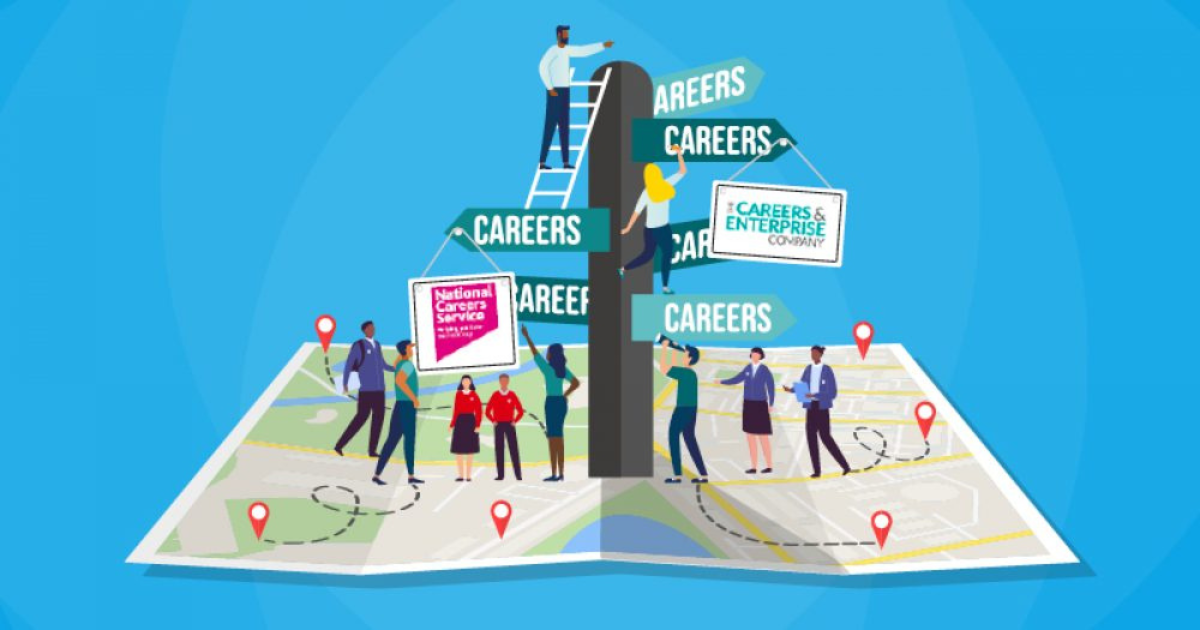
In today’s fast-changing world of work, careers education is more important than ever. Young people are entering a job market shaped by technology, green industries, and global competition — so helping them make informed choices has become a key part of school life.
In the UK, schools are now required to offer structured, high-quality careers education, information, advice and guidance (CEIAG). But when does it start, and what does it actually look like in practice?
1. The Legal Framework
Under the Education Act 2011 and updated statutory guidance from the Department for Education (DfE), all state-funded secondary schools and colleges in England must provide independent careers guidance to pupils from Year 7 (age 11) right through to Year 13 (age 18).
This guidance must be:
-
Accurate and impartial — not promoting one route over another.
-
Tailored to each pupil’s needs and ambitions.
-
Inclusive of all pathways — including apprenticeships, T Levels, A-levels, and university options.
Schools are also expected to follow the Gatsby Benchmarks of Good Career Guidance — eight principles that set a gold standard for effective careers programmes. These include everything from embedding careers in the curriculum to providing experiences of the workplace and personal guidance interviews.
2. When Careers Guidance Begins
While statutory careers guidance formally starts in Year 7, many primary schools now introduce simple career-related learning earlier — exploring jobs, teamwork, and skills in a playful, age-appropriate way.
In secondary school, careers education becomes more structured:
-
Years 7–8: Pupils explore their interests, strengths, and how subjects link to future jobs.
-
Years 9–10: Focus turns to GCSE and post-16 choices, with guidance from teachers and career advisers.
-
Year 11 onwards: Students receive one-to-one interviews, college and apprenticeship information, and help with applications or CVs.
-
Post-16 (Years 12–13): Sixth form or college students access tailored advice on university, apprenticeships, employment and gap-year options.
Essentially, careers guidance is a journey, not a one-off session — it evolves as pupils mature and begin to make key decisions.
3. How Schools Deliver Careers Education
Most schools blend several approaches to build a comprehensive careers programme:
-
Curriculum Links: Teachers connect lessons to real-world careers — for example, maths in finance or science in healthcare.
-
Careers Lessons or Drop-Down Days: Dedicated sessions where pupils learn about employability skills, CV writing, and labour-market trends.
-
External Speakers & Role Models: Many schools invite employers, alumni, or university ambassadors to share their career journeys.
-
Work Experience: Usually offered in Year 10 or Year 12, giving pupils a taste of professional life.
-
Careers Fairs and Trips: Local employers, apprenticeship providers and universities often showcase opportunities on-site or at events.
-
One-to-One Guidance Interviews: Conducted by a qualified careers adviser (often Level 6 trained), ensuring each student gets personalised advice.
Schools record this activity on platforms such as Compass+ (developed by the Careers & Enterprise Company) to track progress against the Gatsby Benchmarks.
4. Who Delivers It?
Careers guidance is typically coordinated by a Careers Leader within each school — a trained staff member responsible for planning and evaluating the programme.
Independent and impartial advice is usually provided by:
-
External advisers or agencies (e.g., Careers Wales, Skills Development Scotland, or NI Direct in Northern Ireland).
-
Local Enterprise Partnerships and Enterprise Advisers from the business community.
-
National online resources such as UCAS, National Careers Service, and Prospects.
Together, these help ensure pupils receive consistent, professional support — not just teacher-led opinions.
5. Why Careers Guidance Matters
Good careers education can raise aspirations, reduce dropout rates, and improve life outcomes. Research by the Careers & Enterprise Company shows pupils who meet multiple Gatsby Benchmarks are more likely to be in education, employment or training after school.
Parents also play a key role. By discussing their child’s interests, encouraging work experience, and attending school careers events, they reinforce what’s taught in class.
6. The Future of Careers Education
With industries evolving fast — from AI and green energy to digital media — the scope of school careers guidance is expanding. New initiatives link employers and educators more closely, helping pupils see real opportunities in emerging sectors.
The overall aim is clear: to ensure every young person leaves school ready for the world of work, aware of their options, and confident in their choices.
Final Thoughts
Careers guidance in UK schools is no longer a single interview before GCSEs — it’s a structured, lifelong learning process that begins early and evolves with the child. Through good planning, strong partnerships, and the Gatsby Benchmarks, schools are helping pupils navigate the ever-changing world of work with clarity and confidence.
For your blog readers — whether parents, teachers, or pupils — the message is simple: careers education isn’t just about choosing a job, it’s about building a future.