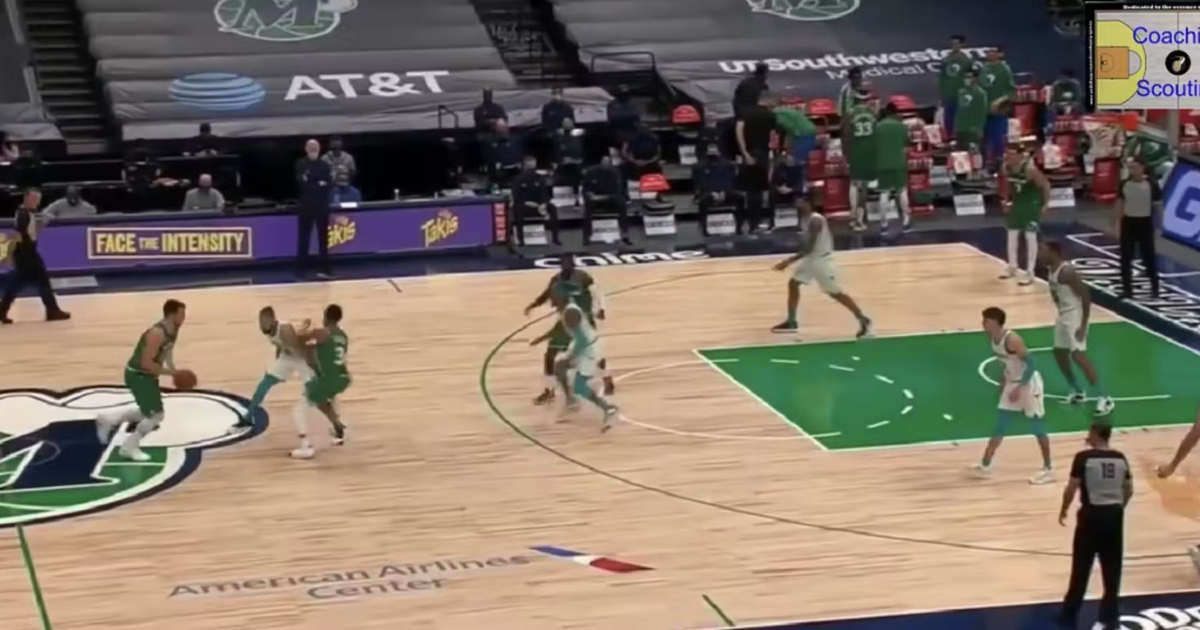
Few plays in basketball are as timeless — or as effective — as the pick-and-roll. From Magic and Kareem to Curry and Draymond, the pick-and-roll has evolved from a simple two-man tactic into the backbone of modern offensive systems.
But what makes it so powerful? And how do teams defend against it? Here’s a breakdown of how the pick-and-roll works, the strategies that make it succeed, and the counterplays coaches use to contain it.
1. The Basics of the Pick-and-Roll
At its core, the pick-and-roll is simple:
-
A ball handler (usually a guard) initiates the play.
-
A screener (often a forward or center) sets a screen on the defender guarding the ball handler.
-
Once contact is made, the screener “rolls” toward the basket, while the ball handler either drives, shoots, or passes based on how the defense reacts.
This fundamental play forces defenders to make quick decisions: switch assignments, fight through the screen, or help from another position. Each decision creates new openings — and that’s why it remains basketball’s most reliable weapon.
2. Offensive Variations: Making the Play Dynamic
Elite teams and players don’t just run the pick-and-roll — they layer it with creativity. Here are a few common offensive variations:
-
High Pick-and-Roll: The screen happens near the top of the key. It creates open lanes for pull-up shooters (think Damian Lillard or Luka Dončić) and spacing for corner shooters.
-
Side Pick-and-Roll: Run along the wing or baseline, this variation gives the ball handler more room to attack the middle or dish to a corner shooter. Teams like the Miami Heat often use this to manipulate defensive rotations.
-
Spain Pick-and-Roll (Stack PnR): A modern twist used in the NBA and Europe. A third player sets a back screen on the defender guarding the roller, freeing the big man for a clean dive to the rim. It’s difficult to defend because it layers multiple screens in quick succession.
-
Short Roll: When the screener pops just a few feet after setting the screen — ideal for bigs who can pass or shoot mid-range jumpers, like Nikola Jokić or Draymond Green.
The beauty of the pick-and-roll is its adaptability — every combination of players creates new possibilities.
3. Reading the Defense: Decision-Making
The key to an effective pick-and-roll isn’t just the screen — it’s reading the defense.
-
If defenders go under the screen, the ball handler can pull up for an open jumper.
-
If they switch, mismatches emerge — a big man guarding a quick guard, or vice versa.
-
If defenders trap or blitz, quick passing or short rolls punish overcommitment.
At the elite level, teams choreograph these reads into automatic reactions. The best guards, like Chris Paul or Jamal Murray, are experts at manipulating defenders and making split-second decisions.
4. Defensive Counterplays
No defense can fully eliminate the pick-and-roll, but several strategies can limit its effectiveness:
-
Switching: The simplest approach — defenders trade assignments after the screen. It neutralises the action but risks creating mismatches in size or speed.
-
Hedging (Show and Recover): The big briefly steps out to slow the ball handler before recovering to their man. It disrupts rhythm but requires precise timing.
-
Drop Coverage: The big stays near the paint to protect against drives, while the guard fights over the screen. Effective against slashers but vulnerable to mid-range shooters — which is why players like Stephen Curry feast on it.
-
Blitzing: Both defenders aggressively trap the ball handler to force turnovers. High risk, high reward — it can force mistakes or leave someone wide open.
Modern defenses mix these approaches, changing coverage mid-game to keep offenses guessing.
5. Evolving Trends in the Pick-and-Roll Era
The rise of analytics and floor spacing has made the pick-and-roll even deadlier. With four shooters spaced around the perimeter, defenders can’t afford to overhelp. Centers now stretch the floor or act as playmakers in short-roll situations, turning a basic two-man action into a five-player symphony.
In the NBA, nearly half of all offensive possessions now involve some form of pick-and-roll. Even at youth and college levels, it’s the foundational play for teaching spacing, timing, and decision-making.
Final Thoughts
The pick-and-roll endures because it embodies basketball’s essence: teamwork, timing, and tactical depth. Offensively, it’s about reading the defense and creating options. Defensively, it’s a chess match of anticipation and rotation.
From playground courts to the NBA Finals, every player has run — or defended — a pick-and-roll. Its simplicity makes it universal; its adaptability makes it timeless. And in the ever-evolving game of basketball, it remains the ultimate test of skill, strategy, and synergy.