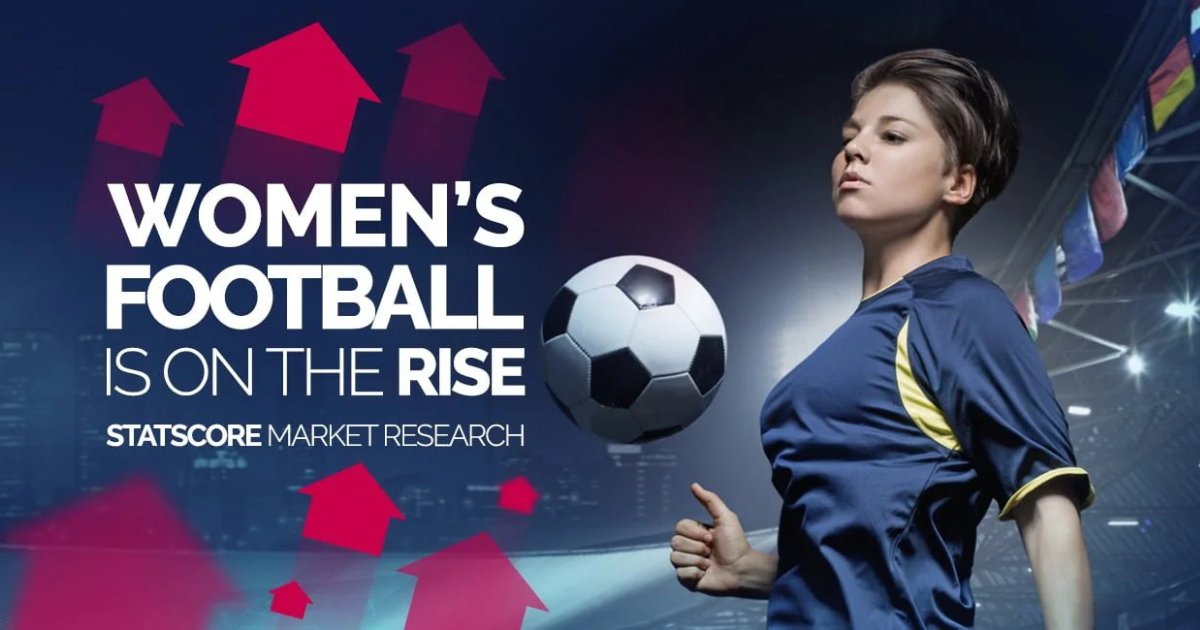
Women’s football has grown from a marginalized pursuit into one of the fastest-growing sports in the world. Once banned and dismissed, it is now celebrated on global stages like the FIFA Women’s World Cup and UEFA Women’s Champions League. The journey of women’s football is one of resilience, progress, and the ongoing fight for equality. This article explores the key milestones that shaped the sport, the challenges that persist, and what the future may hold for the women’s game.
1. Early Beginnings: The Roots of Women’s Football
The origins of women’s football date back to the late 19th and early 20th centuries. The first recorded women’s football match took place in 1895 in London, organized by Nettie Moneyball, a pioneering advocate for women in sport. Despite its novelty, women’s football quickly attracted large crowds — particularly during World War I, when men were away fighting and women’s factory teams, such as Dick, Kerr Ladies FC, drew thousands of spectators.
However, the sport’s early popularity was short-lived. In 1921, the Football Association (FA) in England banned women from playing on affiliated pitches, claiming football was “unsuitable for females.” This ban lasted for 50 years, stalling progress and limiting opportunities for generations of women.
2. The Fight Back: Reinstatement and Recognition
It wasn’t until 1971 that the FA lifted the ban, marking the first major turning point in women’s football history. Around the same time, UEFA began organizing official women’s competitions, and national associations started forming women’s teams.
The 1970s and 1980s saw the emergence of international tournaments, including the first unofficial Women’s World Cup in 1970 and the official FIFA Women’s World Cup in 1991, held in China. The tournament’s success demonstrated a growing appetite for women’s football and paved the way for further investment and visibility.
3. Global Expansion: Professionalization and Visibility
The 21st century marked a period of professionalization and global recognition. Key milestones included:
-
1996: Women’s football debuted at the Olympic Games in Atlanta.
-
2002: The UEFA Women’s Cup (later the Women’s Champions League) launched.
-
2011: The FIFA Women’s World Cup in Germany drew record viewership and global media coverage.
-
2015 & 2019: The tournaments in Canada and France achieved massive global audiences, cementing stars like Megan Rapinoe, Lucy Bronze, and Marta as household names.
Major clubs like Manchester United, Real Madrid, and Juventus launched women’s teams in the late 2010s, while leagues such as the FA Women’s Super League (WSL) in England and the National Women’s Soccer League (NWSL) in the U.S. transitioned to fully professional status.
4. The Challenges: Pay, Investment, and Respect
Despite tremendous progress, women’s football still faces structural and cultural challenges.
Pay and Resource Inequality
The gender pay gap remains significant. While men’s leagues receive millions in sponsorships and broadcasting rights, women’s leagues often operate on modest budgets. In 2022, FIFA allocated $110 million in prize money for the Women’s World Cup — a fraction of the $440 million for the men’s edition.
Media Coverage
Although growing, women’s football receives limited media exposure compared to men’s tournaments. Studies show that less than 10% of sports coverage worldwide focuses on women’s sports, hindering visibility and commercial growth.
Facilities and Youth Development
Grassroots investment is improving, but many women’s teams still lack access to quality training facilities, medical care, and professional coaching. Developing pathways for young girls to progress from school teams to professional clubs remains a priority.
Cultural Barriers
In some regions, social stigma and limited acceptance continue to discourage women from playing football. Advocacy and representation are key to overcoming these barriers and ensuring inclusivity at all levels.
5. The Positive Shift: Progress and Empowerment
Despite these hurdles, momentum is stronger than ever. The Lionesses’ victory at UEFA Women’s Euro 2022 was a landmark moment for English football, inspiring a new generation of girls. Attendance records continue to shatter — such as 91,000 fans at Camp Nou for a Women’s Champions League match between Barcelona and Real Madrid in 2022.
Brands, sponsors, and broadcasters are increasingly recognizing the potential of women’s football. From Nike and Adidas investing in women’s kits to global streaming deals, the sport is finally being taken seriously as both an athletic and commercial force.
6. The Road Ahead: Equality and Expansion
The future of women’s football depends on sustained investment, equality in governance, and global expansion. Key areas for growth include:
-
Equal pay initiatives within national teams (as seen in Norway and the U.S.)
-
Increased broadcast coverage to attract sponsors and new fans
-
Grassroots development programs for young girls worldwide
-
More coaching and referee opportunities for women in the sport
FIFA’s ongoing commitment to double participation among women and girls by 2027 signals a promising future. With more nations investing in professional leagues and youth academies, women’s football is poised to become a global powerhouse.
Conclusion
The rise of women’s football is one of the most inspiring stories in modern sports. From the dark days of bans to record-breaking stadiums and global recognition, the journey reflects resilience, unity, and empowerment. While challenges like funding and equality remain, the trajectory is undeniably upward. Women’s football isn’t just a game anymore — it’s a movement changing the face of sport forever.