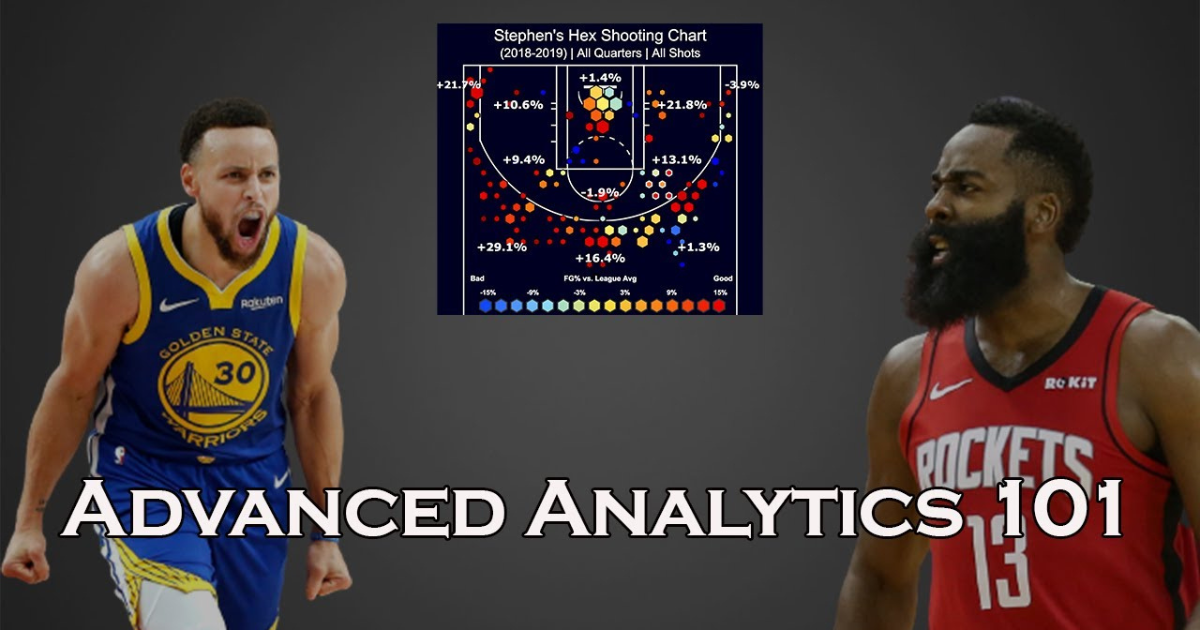
In today’s NBA, player evaluation has evolved far beyond basic points, rebounds, and assists. Teams now rely on advanced analytics to gain deeper insight into player impact, efficiency, and on-court value. Whether it’s evaluating potential draft picks, exploring trade targets, or making decisions on rotations, analytics provide a more complete picture of performance. Among the most widely used metrics are Player Efficiency Rating (PER), plus/minus data, and a growing list of advanced statistics that capture what the box score can’t. Here’s how these tools are shaping the way teams understand their talent.
1. PER: Measuring Overall Efficiency
Player Efficiency Rating (PER), created by John Hollinger, attempts to summarize a player’s contributions into a single number. It accounts for positive statistics like points, assists, rebounds, steals, and blocks, while also subtracting negative plays such as missed shots and turnovers. The league average PER is always set at 15, allowing easy comparison across players.
What makes PER useful is the way it standardizes performance. It helps identify efficient scorers, high-impact role players, and bench stars who may not get major minutes but make the most of their time on the floor. However, PER is not perfect. It favors offensive players and can sometimes undervalue defensive specialists or players whose contributions aren’t captured by stats—like setting strong screens or altering shots without blocking them.
Even with its flaws, PER remains a valuable tool for spotting trends, judging efficiency, and comparing players across positions and eras.
2. Plus/Minus: Measuring On-Court Impact
Plus/minus reflects how the team performs while a player is on the floor. If a player is on the court during a run in which their team outscores the opponent by eight points, they receive a +8. If the team struggles and is outscored by 10, that player records a -10.
Because basketball is a team sport, this metric helps reveal how a player affects the overall flow of the game—even without big box-score numbers. For example, a defensive-minded guard may not score much but could consistently show strong plus/minus results because of the way he disrupts opposing offenses or improves team spacing.
However, raw plus/minus has limitations. It’s heavily influenced by teammates, opponents, and lineup combinations. To address this, analysts developed advanced versions like Adjusted Plus/Minus (APM) and Real Plus/Minus (RPM), which isolate the individual player’s impact more accurately by controlling for team context. These advanced versions give front offices a powerful tool to identify players who truly elevate a lineup.
3. Usage Rate: Understanding Offensive Responsibility
Usage rate measures how frequently a player is involved in offensive plays—shooting, turning the ball over, or getting to the free-throw line. High-usage players like Luka Dončić or Trae Young carry enormous offensive workloads, while role players may show much lower usage rates.
This stat helps teams understand the context behind a player’s production. A role player shooting 40% from three on low volume is different from a star generating offense nightly against focused defensive attention. Usage rate helps balance those comparisons.
4. True Shooting Percentage: Measuring Scoring Efficiency
True Shooting Percentage (TS%) evaluates scoring efficiency by factoring in field goals, three-pointers, and free throws. It’s a far more accurate representation of shooting efficiency than field-goal percentage alone. Teams use TS% to distinguish between volume scorers and genuinely efficient offensive threats.
5. Defensive Metrics: Capturing the Hidden Work
Defense has always been harder to quantify. While steals and blocks matter, they don’t capture positioning, contesting shots, or forcing bad decisions. Metrics like Defensive Rating, Deflections, and Opponent Field Goal Percentage as the Closest Defender help teams evaluate defensive impact with much more depth.
These numbers assist coaches in identifying which defenders consistently disrupt opposing offenses—even if they rarely appear in highlight reels.
Final Thoughts
Analytics don’t replace the eye test—they enhance it. PER helps identify efficient producers, while plus/minus and its advanced variations reveal overall impact. Complementary metrics like usage rate, TS%, and modern defensive stats round out the picture.
Together, these analytics give teams a multidimensional look at player performance, exposing strengths, weaknesses, and hidden value. In a league where small advantages can change a season, advanced metrics have become one of the most powerful tools in evaluating talent and building winning rosters.